
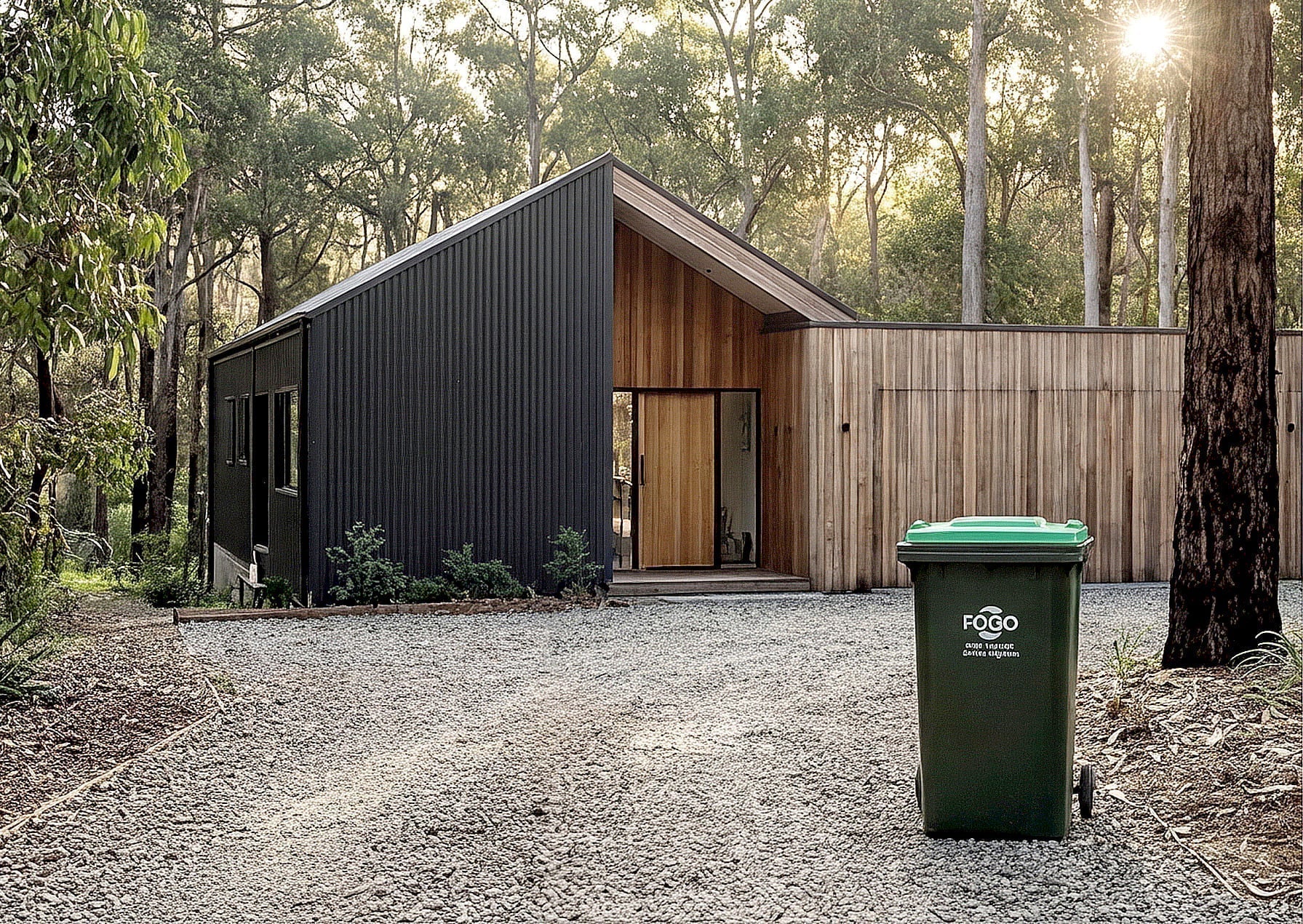

Is Your Green Bin Routine a Mess? You're Not Alone.
We've all been there. You want to do the right thing for the environment, but suddenly your kitchen bench smells like old prawns, and there's a puddle of "mystery liquid" pooling at the bottom of your caddy.
Even worse is the "Bin Walk of Shame" — when a cheap, thin liner splits right in your hallway, leaving a trail of wet coffee grounds and scraps on your clean floor.
Before you give up and go back to plastic, check if you are making these 5 common FOGO mistakes. A few small tweaks — and switching to a heavy-duty, puncture-resistant liner — can change everything.
Mistake #1: Buying "Biodegradable" Instead of "Compostable"
This is the most common trap. Many bags at the supermarket say "Eco" or "Biodegradable", but they are actually just plastic that breaks down into micro-plastics. They are not allowed in your Council green bin. The Fix: Always look for the AS 4736 certification code (the seedling logo). All Compostar bags are certified AS 4736, meaning they are 100% safe for Australian FOGO bins.
Mistake #2: Using Weak Bags for Wet Waste (Hello, Bin Juice!)
Are you using a thin, plastic-like liner for heavy wet food scraps? Even certified cornstarch bags can "sweat" or turn slimy when used for wet items like fruit peels and tea bags. This weakens the bottom, leading to the dreaded "bottom blowout" when you lift the bag.
The Fix: Upgrade to Reinforced Kraft Paper. Stop trusting thin bags with heavy waste. Compostar Kraft Paper Liners are engineered with a strengthened, reinforced bottom specifically designed to hold wet, heavy Australian kitchen waste. They are leak-proof and puncture-resistant, meaning sharp bones or soggy leftovers won't break through the base.

Mistake #3: Leaving the "Lid" Open (The Stink Trap)
FOGO bins smell because air circulates over rotting food. Flimsy bags flop over the sides of the caddy, making it hard to seal the smell in until you tie a messy knot at the end of the day.
The Fix: The "Fold and Lock" Technique. This is where Compostar's Paper Liners shine. Because they are made from sturdy, free-standing Kraft paper, they don't flop.
When you finish prepping your meal, simply fold the top of the bag down. This creates an instant physical barrier that locks in odours and prevents fruit flies from getting in. No need to hunt for a twist tie — just fold, lock, and relax.

Mistake #4: Forgetting the "Lasagna" Method
If you just throw a bag of food waste into your empty 120L wheelie bin, it might break or stick to the bottom in the summer heat. The Fix: Layer it! Place some dry leaves or a newspaper at the bottom of your big bin, then add your full Small Bin Liner, then cover with garden clippings. This "Lasagna" technique keeps your big bin clean.
Mistake #5: Thinking FOGO is Just for Kitchens
Did you know your furry friend contributes to landfill too? Many people still use black plastic bags for dog waste, thinking it can't go in the green bin. The Fix: Check your council rules—most now accept pet waste if it's in a certified bag. Our Extra Thick Dog Poop Bags are AS 4736 certified, so you can walk the dog plastic-free.
Master Your FOGO Routine Today
Ready to banish the smell and stop the leaks? Don't settle for supermarket bags that split. Switch to Compostar's Heavy-Duty Kraft Paper Liners — AS 4736 certified, leak-proof, and built tough for Aussie kitchens.
👉 [Shop the Reinforced Paper Caddy Liner Here]
💡 Smart Shopper Tip: Sort Home & Pet Together
Want to fix your kitchen smell and handle dog waste in one go? Don't buy separately. Grab our 2-Month Home & Pet Bundle. It includes our famous "anti-smell" Paper Caddy Liners plus Extra Thick Dog Poop Bags. It’s the best value way to get started.
Looking for the most robust small bin liners? Our paper liners are now available in Adelaide.
Shop the AS4736 certified Range
Struggling with a smelly green bin?
Rules are changing across Australia, and getting FOGO right can be confusing. Whether you are fighting summer maggots, living in an apartment, or just tired of "bin juice", read our complete 2026 Ultimate Guide to FOGO Waste Management in Australia to upgrade your kitchen system today.
Share: