
The 2026 Ultimate Guide to Australian FOGO Bins: Stop the Smell & Get It Right

The FOGO Mandate is Here. The Smell Doesn't Have to Be.
Across Australia, local councils have rolled out mandatory FOGO (Food Organics and Garden Organics) bins. It is a massive win for the environment, but for many households, it has become a daily kitchen nightmare.
We know the reality: 40°C summer heat, fortnightly collections, and cheap "biodegradable" plastic bags that sweat, leak, and attract maggots within 24 hours. You are trying to do the right thing, but the tools you have been given are failing.
It’s time to upgrade your system. You don't need a backyard compost pile, and you definitely don't need to stuff rotting prawn shells in your freezer. This guide is your complete roadmap to mastering Australian food waste—without the odors, the "bin juice," or the stress.
Explore the FOGO System

Off-Grid & Leave No Trace
Master campsite waste management without sacrificing your 12V fridge space for smelly scraps.
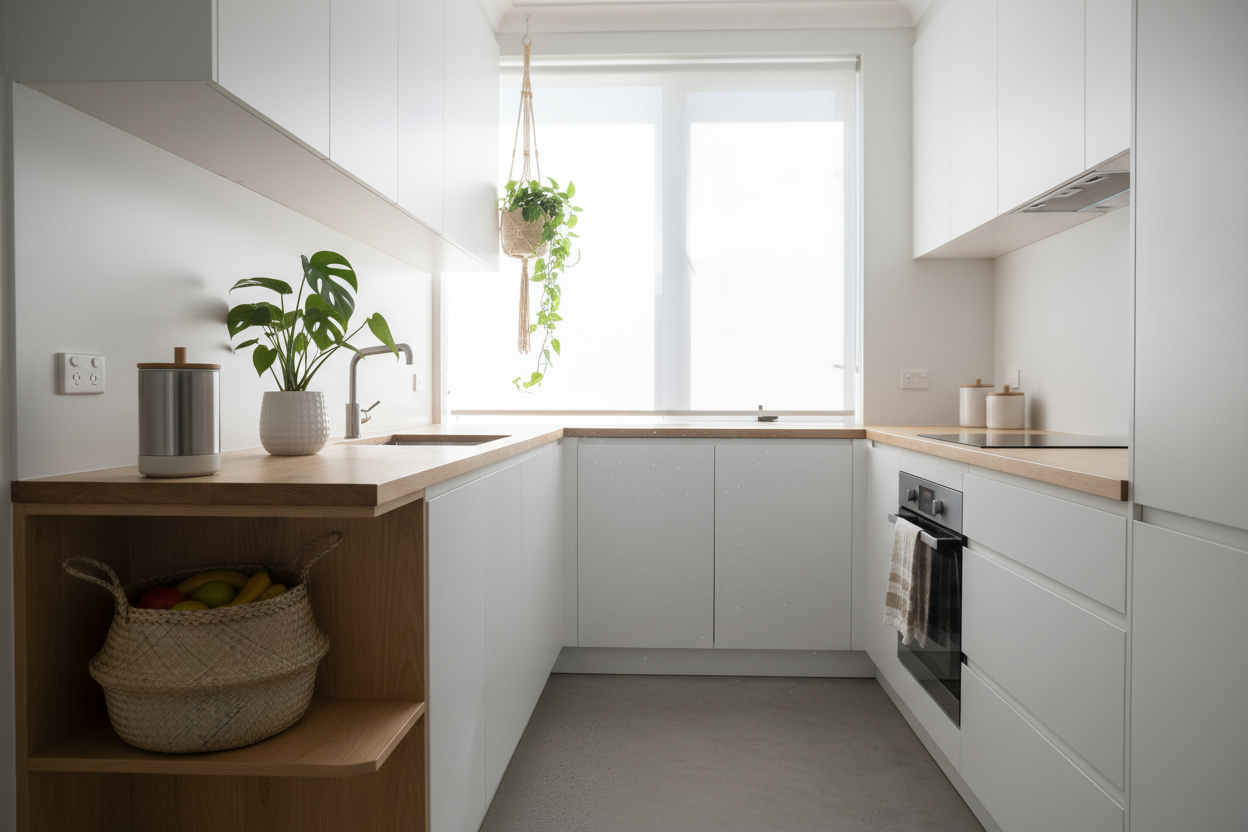
Small Space, Zero Smell
The urban resident's guide to managing FOGO in apartments without indoor odors or elevator leaks.

72-Hour Leak-Proof Tech
The science of why council bags fail and how reinforced paper holds 10kg of wet waste effortlessly.

40°C Summer Survival
Stop the maggots and beat the heat. Keep your kitchen fresh during Australian heatwaves—no freezer required.
The "Biodegradable" Trap
Avoid bin rejections by decoding official AS 4736 certifications vs. unregulated greenwashing.
Understanding the science behind the most common household FOGO complaints can help you build a cleaner and easier food-waste system.
Common FOGO Problems Explained
Common FOGO Problems Explained: Explore the science behind the most common FOGO problems reported by Australian households.

Why Does My FOGO Bin Smell?
Learn how trapped moisture creates anaerobic fermentation, causing the odours commonly associated with food waste storage.
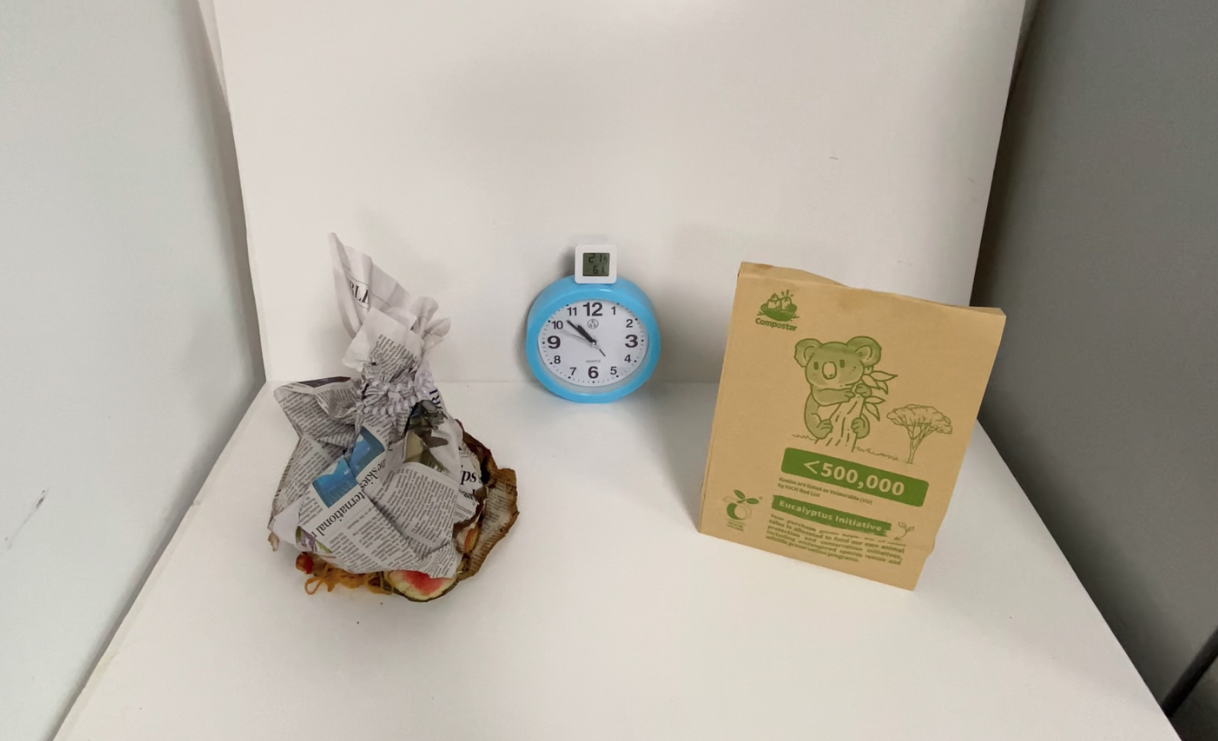
Why Does My FOGO Bag Leak Bin Juice?
Discover why moisture weakens ordinary liners and how wet-strength technology helps prevent kitchen leaks.
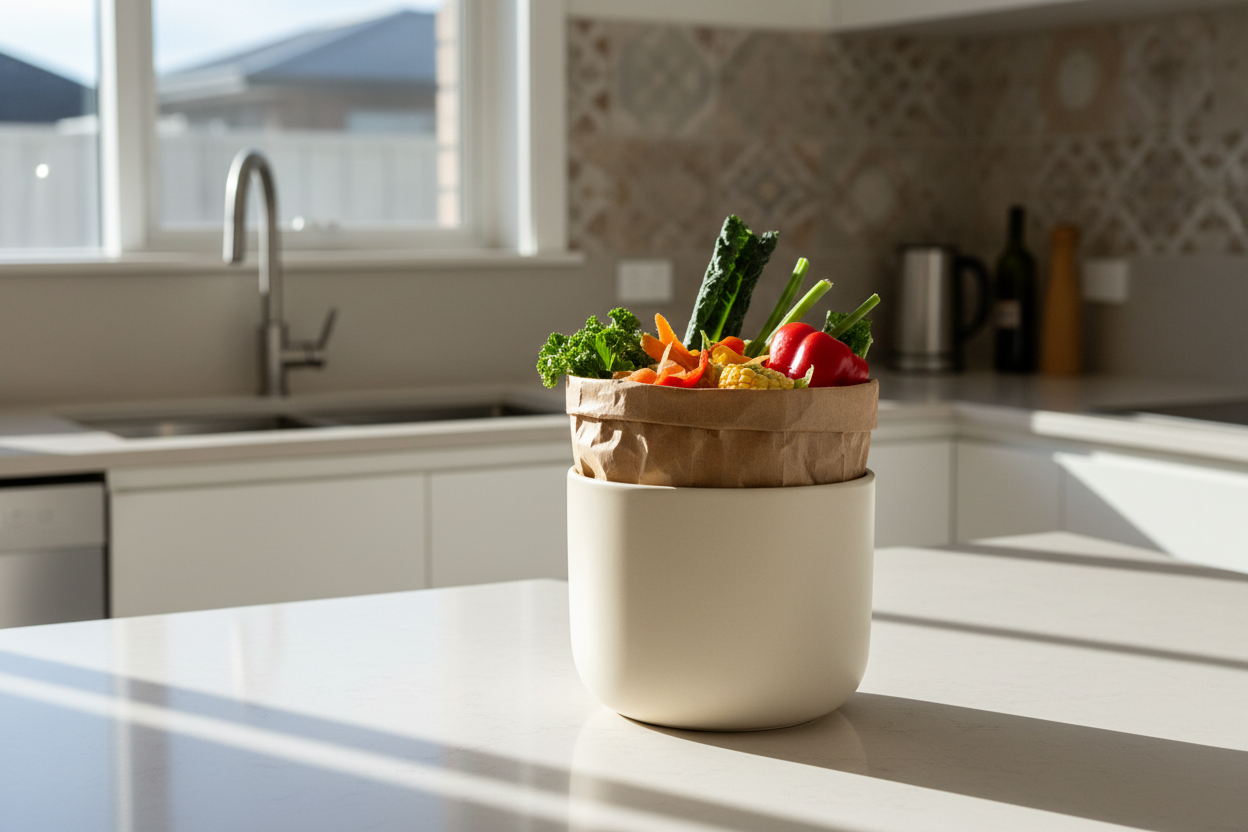
Why Are There Fruit Flies and Maggots?
Understand the biological relationship between moisture, fermentation odours and pest attraction.
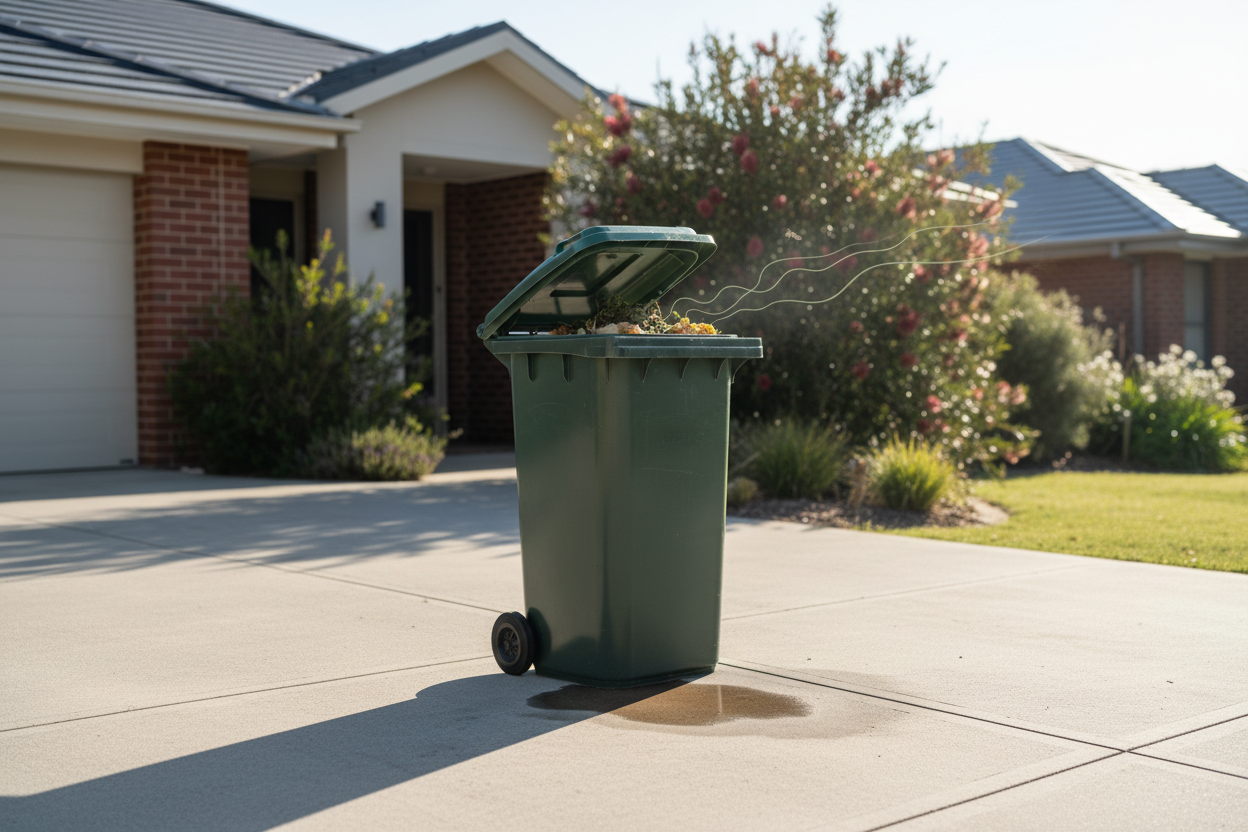
500+ Australian FOGO Comments Analysed
Analysis of more than 500 public FOGO comments from Australian council discussions and community feedback.
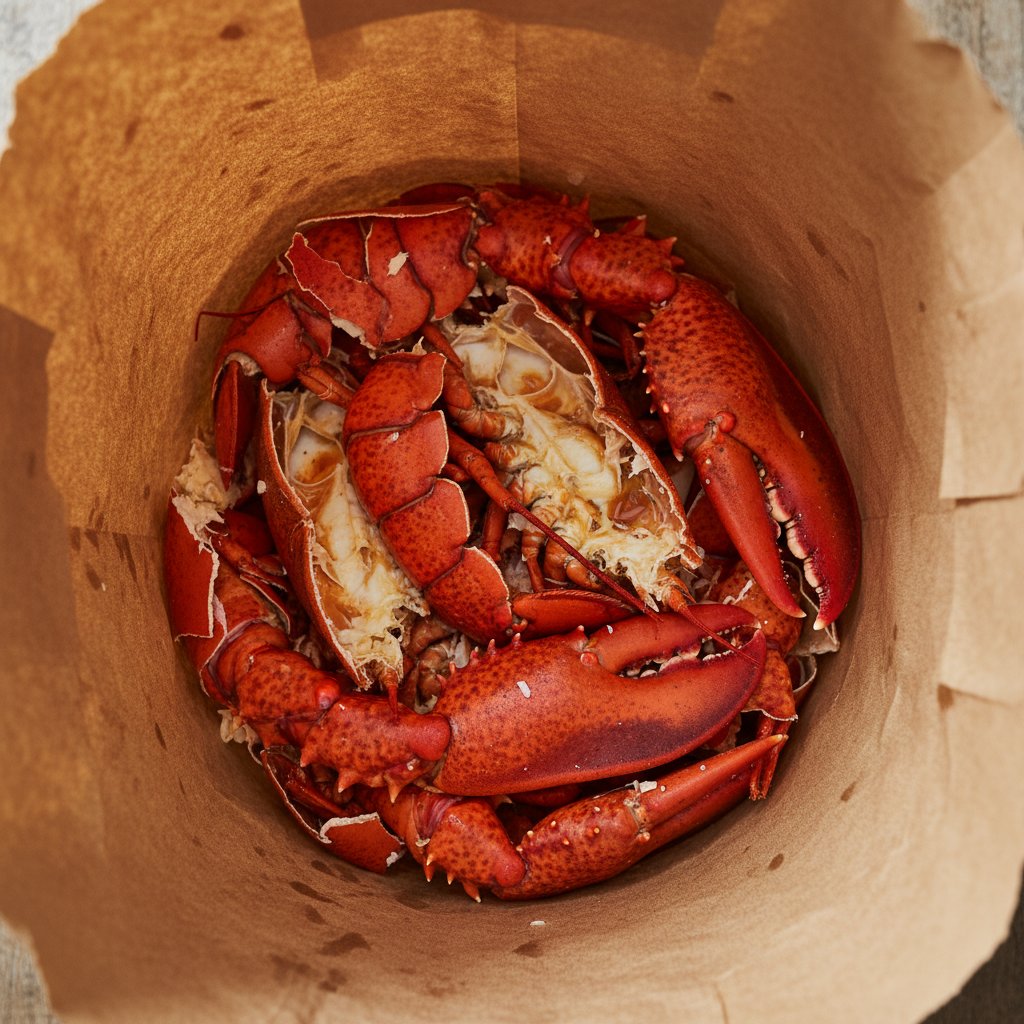
Rated 4.9/5: Real Kitchens, Extreme Tests
Australian households are ditching flimsy bio-plastics. Based on thousands of verified purchases, here is how our Reinforced Kraft Paper holds up to the ultimate limits:
- 💧 The Liquid Test: "Absolutely amazing product, I even poured a glass of milk to test its capacity to hold liquid... finally no leak everywhere." — Verified Buyers Rishi & Stella
- 🦴 The Seafood Test: "I had a seafood night and honestly thought the prawn shells would tear straight through... No ripping, no holes, even with sharp shells inside." — Verified Buyer icy chen
- 🛑 The Odor Test: "I cook most nights... Since switching to these paper bags, the smell doesn't linger like it used to. The fold-over top actually helps a lot." — Verified Buyer Anonymou
See how the Compostar reinforced kraft paper system holds up to wet scraps, sharp knives, and the "glass of milk" test.
Real Kitchens, Extreme Tests: Don't Just Take Our Word For It
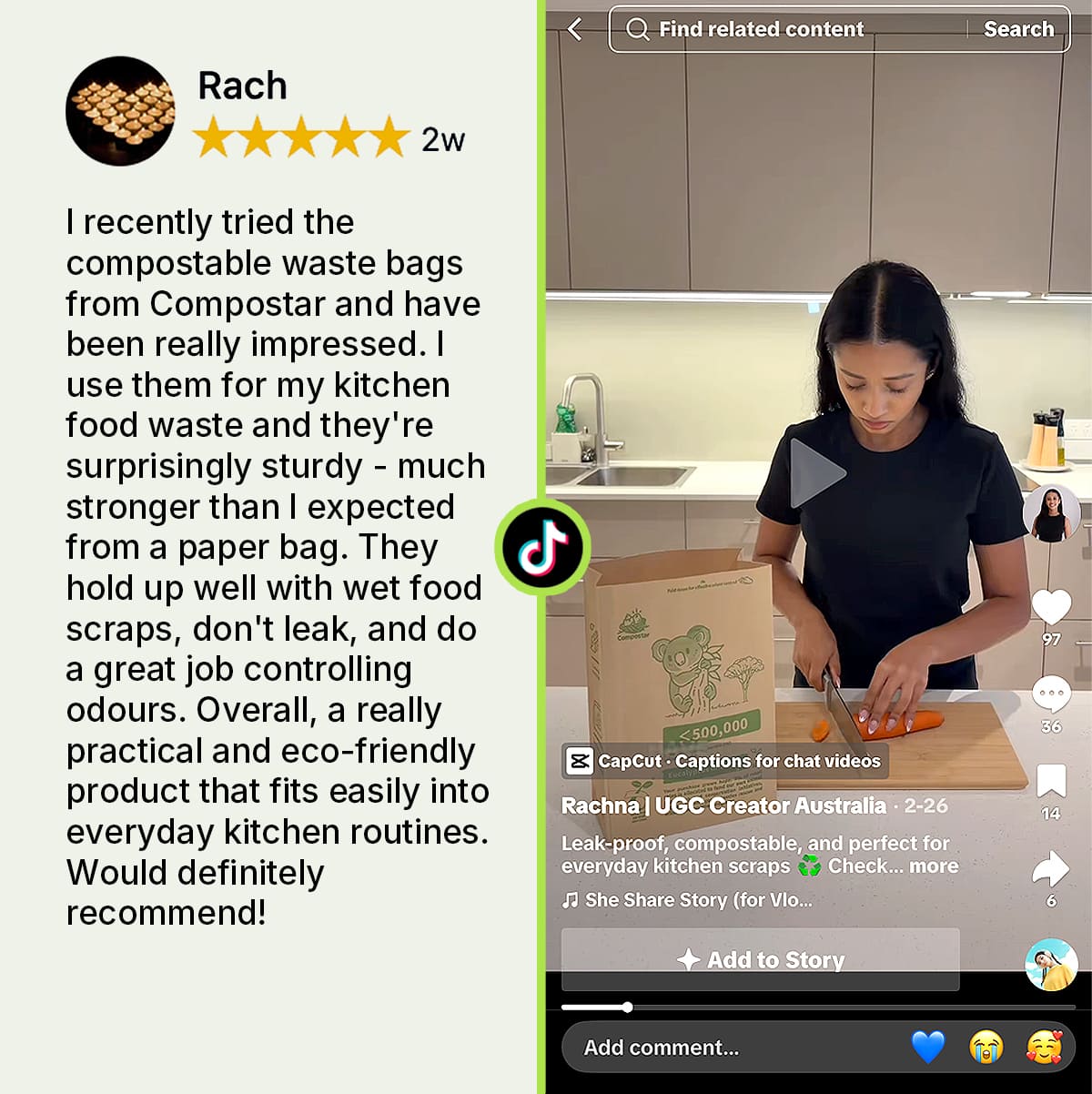
The "Wet Scraps" Test
⭐⭐⭐⭐⭐
"I use them for my kitchen food waste and they're surprisingly sturdy—much stronger than I expected from a paper bag. They hold up well with wet food scraps, don't leak, and do a great job controlling odours. Overall, a really practical and eco-friendly product."
— Rach, Australian UGC Creator
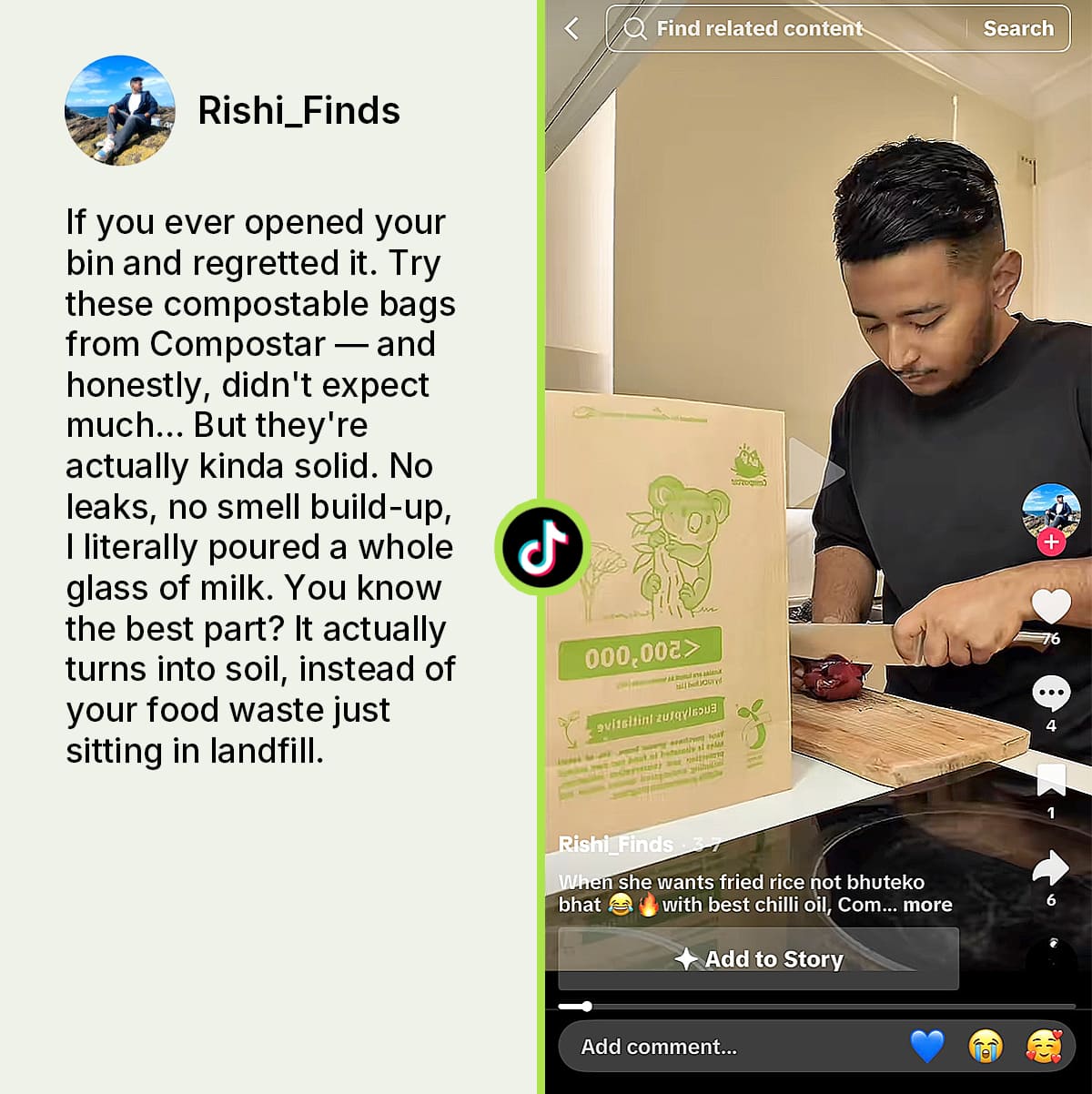
The "Glass of Milk" Extreme Test
⭐⭐⭐⭐⭐
"If you ever opened your bin and regretted it... Try these. I honestly didn't expect much, but they're actually kinda solid. No leaks, no smell build-up, I literally poured a whole glass of milk. Best part? It actually turns into soil instead of sitting in a landfill."
— Rishi_Finds
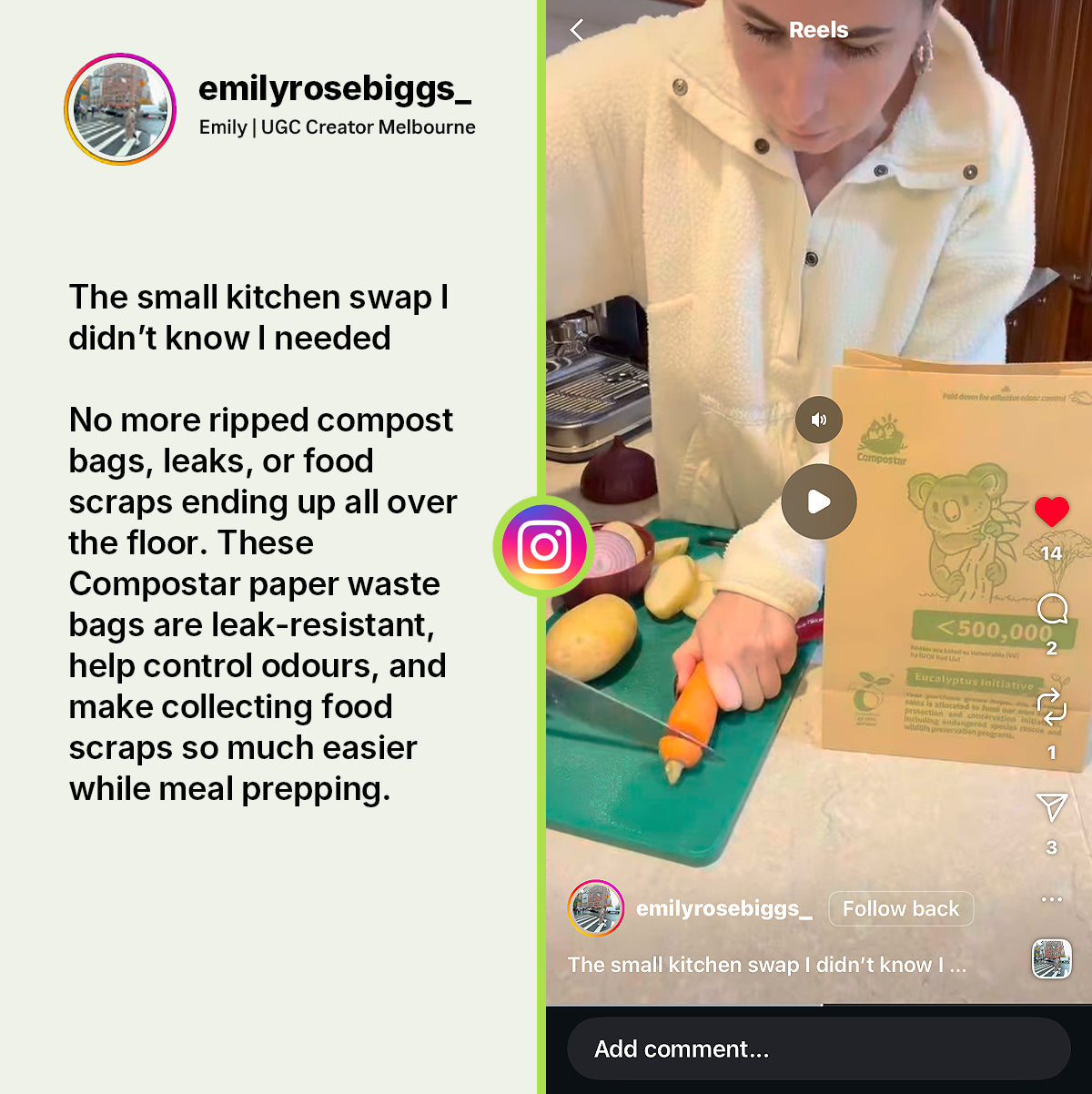
The "Small Kitchen" Swap Test
⭐⭐⭐⭐⭐
"The small kitchen swap I honestly didn't know I needed... If you're sick of those flimsy green bags ripping and dumping wet food scraps all over your floor, try these. I was a bit skeptical about using paper, but this reinforced kraft paper is actually incredibly solid. It stands right up on the bench while I meal prep, completely blocks the odours, and hasn't leaked once. Best part? It’s strictly certified compostable, so I just toss the whole thing straight into my council FOGO bin."
— emilyrosebiggs_ (Melbourne, VIC)
Paper vs Bio-Plastic Liners: Why Compostar Performs Better for Household FOGO
Standard compostable bio-plastic liners can work for some food waste systems, but many Australian households still struggle with sweating, bin juice, odour and splitting during everyday kitchen use.
Compostar’s reinforced kraft paper system is designed for the practical side of household FOGO: wet scraps, summer heat, seafood shells, kitchen odours and fortnightly green bin collections.
| Feature | Standard Bio-Plastic Liners | Compostar Kraft Paper System |
|---|---|---|
| Moisture Control | Sweats, creates liquid "bin juice" | Breathes and evaporates moisture |
| Odor Containment | Low (odors permeate film) | High (fold-and-seal barrier locks scent) |
| Puncture Risk | Tears easily on bones and shells | Reinforced kraft paper resists tears |
| Summer Maggots | High risk (scent attracts blowflies) | Low risk (scent is cloaked from flies) |
| Visual Compliance | Often mistaken for regular plastic | Distinctly paper, easily identified by councils |
Why Breathability Matters for Household FOGO
Breathable kraft paper helps manage moisture differently from sealed bio-plastic liners, which can affect odour, bin juice and everyday food waste handling.
| Feature | Bioplastic Bag | Compostar Kraft Paper Bag | Odor & Processing Impact |
|---|---|---|---|
| Moisture Control | Traps leachate, causes pooling | Active evaporation (breathable) | Reduces "bin juice" leakage |
| Weight Loss | Baseline (low evaporation) | +29–44% higher weight loss | Lower transport/disposal costs |
| Anaerobic Digestion | Highly compatible with odor generation | Highly compatible with treatment | Eliminates pre-treatment removal needs |
| Methane Yield | Lower due to removal constraints | 2–14x higher methane potential | More efficient energy recovery |
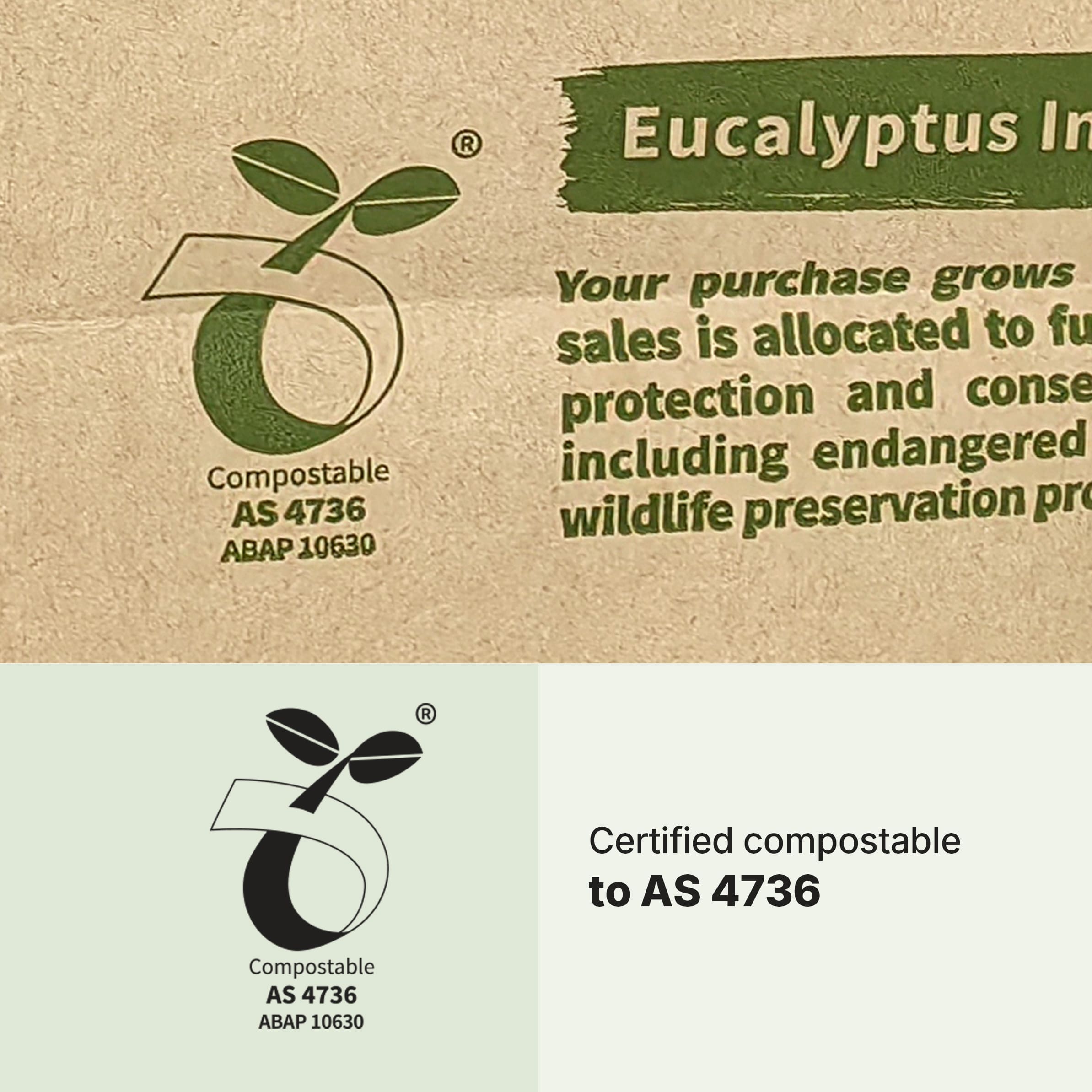
Not All "Green" Bags Are Created Equal
Don't get caught in the "Biodegradable" trap. In Australia, requirements and accepted liners vary by state, council and waste-service provider. Businesses should confirm local acceptance requirements before purchasing.. Compostar liners are AS 4736 (Industrial Compostable) and AS 5810 (Home Compostable) certified. This means they break down into zero microplastics, ensuring your organic waste actually turns into nutrient-rich soil, not long-term pollution.
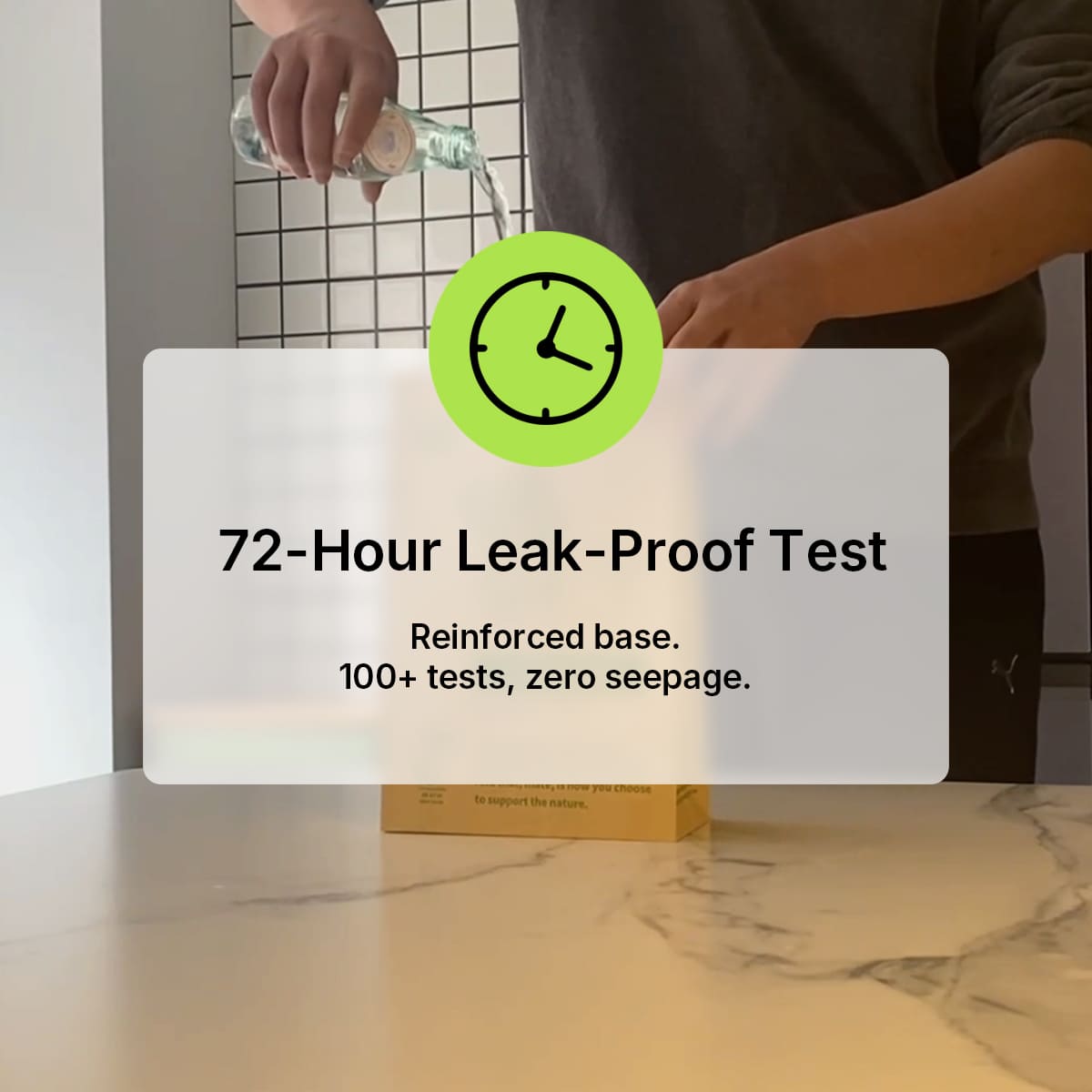
Engineered for Reality: The 72-Hour Leak-Proof Test
Government-issued PLA liners often start "sweating" or leaking within 12 hours. We designed Compostar for the Australian kitchen reality. With a 10kg load strength and 72-hour leak-proof guarantee, you can handle heavy food waste, sharp prawn shells, and wet scraps without the dreaded "bin juice" at the bottom of your caddy.

Ditch the Freezer: Fold, Seal, and Stop the Smell
Tired of storing smelly food scraps next to your frozen peas? With Compostar, you don't need the Reddit "Freezer Method" to survive an Australian summer. Our specially engineered paper bags feature a secure fold-and-seal design that effectively locks odours inside. Just fold the top, seal the bag, and keep your kitchen fresh and maggot-free at room temperature. Save your freezer space for ice cream.
FOGO Survival FAQ: Your Real Questions, Answered
How do I stop maggots in my green bin during a 40°C summer?
Maggots happen when flies can smell rotting food and lay eggs. The key is completely blocking the odor. While many on Reddit rely on freezing their scraps, our Compostar paper bags feature a secure fold-and-seal design. Simply fold the top tightly to lock the scent inside. Flies can’t smell it, meaning no eggs, and absolutely no maggots—even during fortnightly collections in peak summer.
Will these bags dissolve and leak "bin juice" like the free council ones?
No. Most free council bags are made from thin PLA film that starts breaking down as soon as it touches moisture, leaving you with a puddle of "bin juice." Compostar bags are engineered differently. They are rigorously tested to hold up to 10kg and remain 100% leak-proof for 72 hours at room temperature. Your caddy and your wheelie bin stay completely dry.
Can I really put sharp prawn shells, meat, and bones in these bags?
Yes, absolutely. Prawn shells and chicken bones are notorious for puncturing cheap bio-bags. Our liners are heavily puncture-resistant. Just scrape your seafood and meat scraps straight in, fold the top to seal the odor, and drop it in your FOGO bin. As long as your local council accepts meat in their FOGO program (which most do), our AS 4736 certified bags will handle the rest.
Are your paper bags actually better than the green "plastic-looking" compost bags?
For many Australian households, yes. Standard compostable film bags can "sweat" in a warm kitchen, accelerating the rotting process and creating smells. Our specialized multi-layer paper technology breathes naturally while holding back moisture. Plus, paper holds a fold perfectly, creating a physical barrier against odors that thin film bags just can't match without a knot.
I live in an apartment. Will keeping this on my kitchen bench smell up my home?
Not at all. You don't need a backyard or an outdoor compost bin to manage your FOGO waste. Designed specifically for benchtop caddies, our fold-and-seal technology contains the smell completely at room temperature. You can comfortably keep it in a small apartment kitchen for 2 to 3 days before dropping it into your building's shared green bin.
Are Compostar bags guaranteed to be accepted by my local council?
Our bags are widely accepted by the majority of councils, but we always recommend a quick check. Compostar bags carry the official Australian Seedling logo and are strictly AS 4736 (Industrial Compostable) certified. This represents the gold standard required for FOGO bins across NSW, VIC, WA, SA, and QLD.
However, because waste processing facilities differ, a small number of local councils have specific rules regarding paper-based compostable items, regardless of their certification. We highly recommend doing a quick search on your local council's website or app to confirm they accept AS 4736 certified paper liners before your first collection day.

Off-Grid Waste Management: Leave No Trace, Leave No Smell
Relying on thin plastic or supermarket bio-bags at a remote campsite is a recipe for disaster—possums and goannas tear them apart in minutes, ruining the bush and your trip. Packing out waste shouldn't mean sacrificing premium 12V fridge space for rotting food scraps.
The Compostar Camping System utilizes heavy-duty reinforced kraft paper to create a physical scent barrier. It locks in odors at ambient temperatures, resists punctures from bones and skewers, and keeps your 4WD odorless on the long drive home.

Urban FOGO: Zero Indoor Odors, Zero Elevator Leaks
Composting in a high-rise apartment comes with unique friction points: limited countertop space, food odours, fruit flies and the risk of messy leaks during the walk to the shared bin room.
Compostar’s apartment food waste solution is designed to make small-space composting easier. The flat-bottom kraft paper bags stand upright on the benchtop, helping residents collect food scraps without relying on a bulky plastic caddy.
The paper structure helps absorb moisture from everyday food waste and is designed to reduce leakage, bin juice and unpleasant handling when used correctly. Regular emptying and correct use may also help reduce exposure to odours and fruit flies.
It is a practical option for apartment kitchens, shared buildings and residents who want a cleaner way to move food scraps from the benchtop to the communal food waste or FOGO bin.

Beat the 40°C Heatwave: Stop Summer Maggots Before They Start
Fortnightly green bin collections during an Australian summer usually result in an absolute nightmare of putrid odors and maggot infestations. Standard bio-plastics trap heat and moisture, accelerating anaerobic rot.
Ditch the Reddit "freezer method." Compostar's reinforced kraft paper breathes just enough to allow vapor to evaporate while the tight fold-and-seal top acts as a biological shield. Blowflies cannot detect the protein source, effectively cloaking your food waste and keeping your outdoor wheelie bin pristine in January.
Aussie Household Essentials


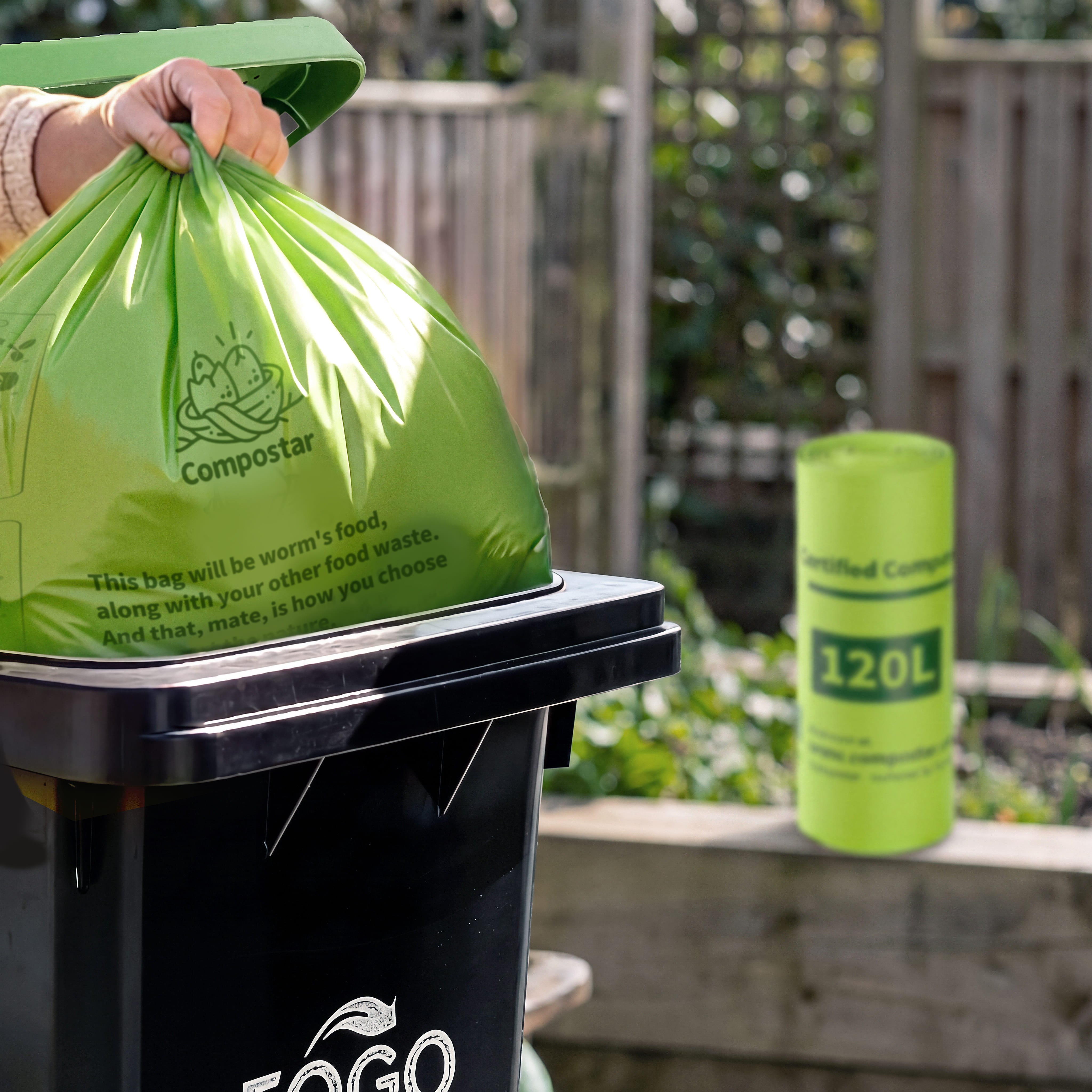


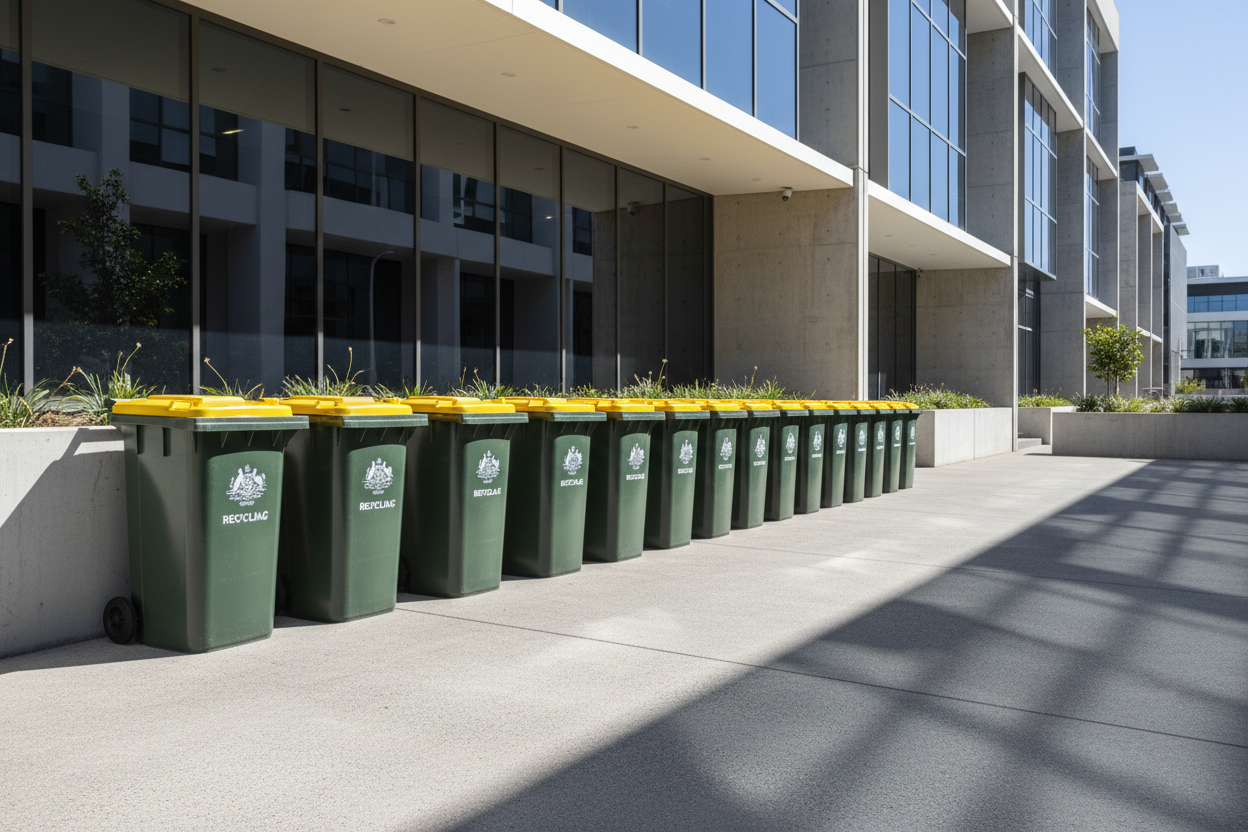
NSW Business FOGO Changes from 1 July 2026
From 1 July 2026, NSW businesses and institutions that sell, prepare or handle food will begin separating food waste from general waste under staged FOGO requirements.
The first stage applies to larger sites with 3,960L or more of weekly general waste bin capacity, including many supermarkets, hospitality venues, schools, aged care facilities, clubs and commercial kitchens
For these sites, choosing the right compostable liner size can help make food waste separation cleaner and easier across kitchens, shared bins and back-of-house collection points.
CompoStar offers
AS 4736 & AS 5810 certified compostable film liners from 18L to 240L for bulk and commercial FOGO use.

Commercial FOGO Bin Liners for NSW Businesses
NSW business food waste separation requirements are changing how many cafés, restaurants, schools, hotels, clubs and commercial kitchens manage organic waste.
For businesses, the challenge is not only understanding FOGO rules. The practical challenge is setting up the right bins, liners and staff workflow across different food waste points.
Compostar supports the execution side with bulk compostable food waste bin liners in 18L, 36L, 80L, 120L and 240L sizes. This allows businesses to match smaller caddy liners, commercial kitchen bin liners and larger wheelie bin liners to different areas of their site.
AS 4736 and AS 5810 certified compostable film liners are designed for food waste collection where certified compostable liners are accepted by the relevant council, waste contractor or organics processor.
Explore practical FOGO and wholesale supply guidance for Western Australia, Perth, NSW and commercial food waste buyers.
WA, Perth & Wholesale FOGO Resources
Learn how Western Australia FOGO rollout, NSW business food waste separation and wholesale supply planning may affect commercial kitchens, food service operators, distributors and compostable liner buyers.
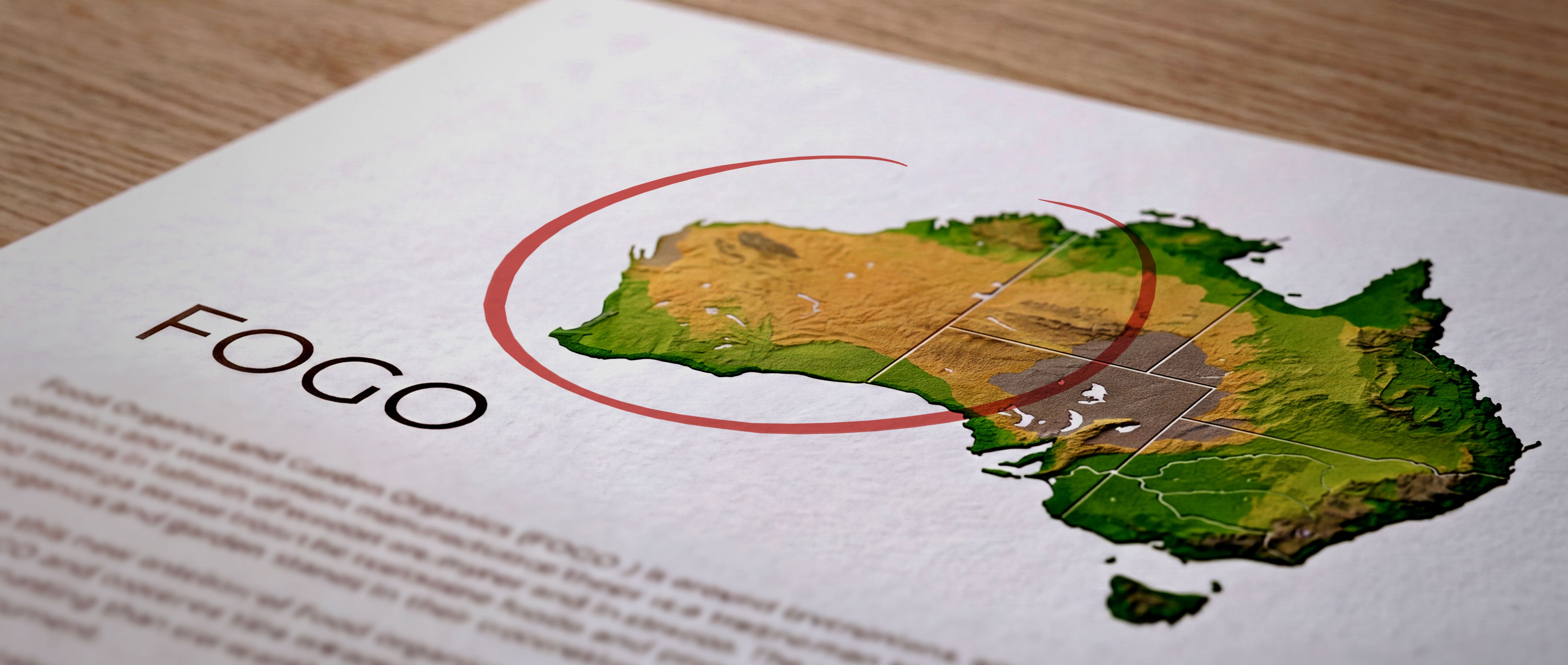
Western Australia FOGO Policy for Perth Businesses
Understand what WA and Perth businesses can learn from NSW food waste separation, including accepted liner types, contamination control, commercial kitchen bin setup and compostable liner size planning.
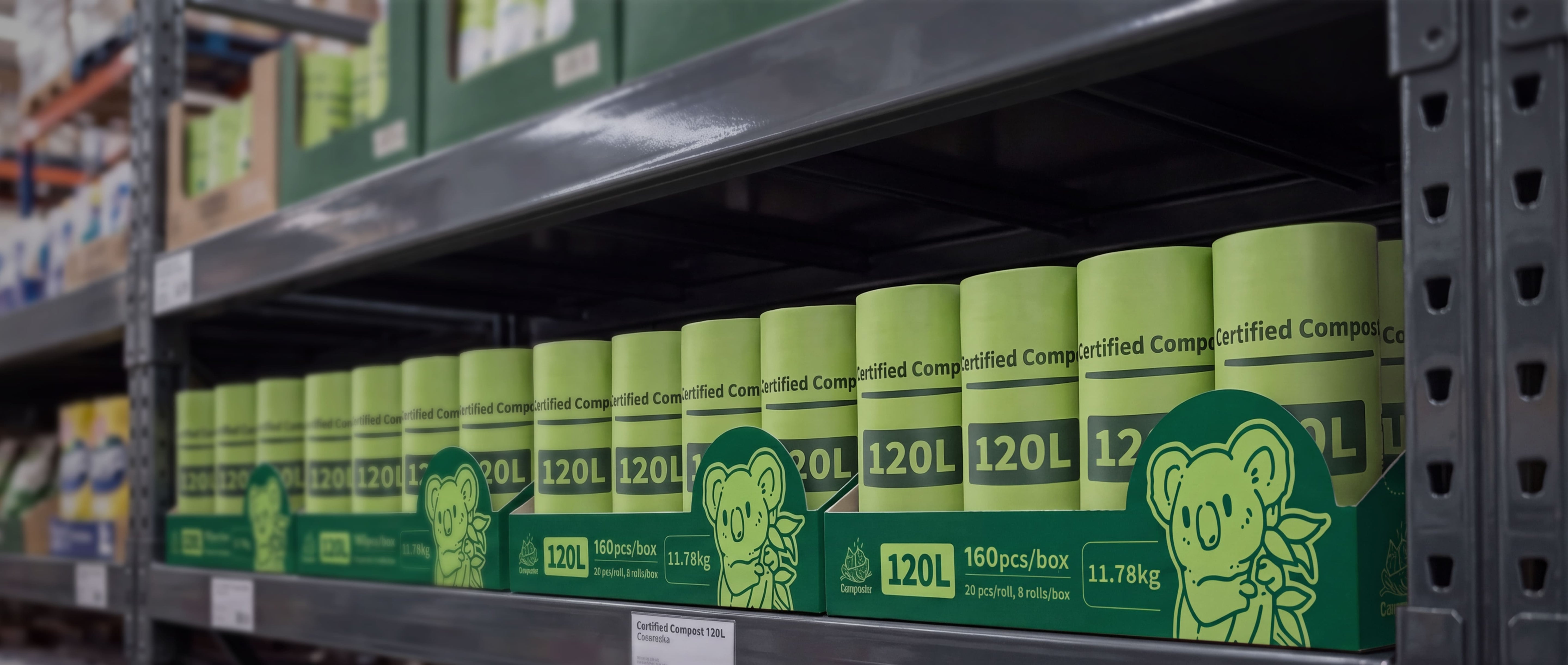
FOGO Lessons for Distributors and Wholesale Buyers
A practical guide for cleaning suppliers, packaging distributors, hospitality suppliers and wholesale buyers preparing for repeat demand in compostable bin liners, bin bags bulk and commercial food waste disposal.
Factory-Backed Compostable Bin Liner Supply
See how Compostar supports business and wholesale compostable bin liner orders through factory-backed production, batch quality checks, multi-size supply and scalable long-term replenishment.